

Edgware Road London: The Complete Guide to the Arab Quarter

There are streets in London that surprise you, and then there are streets that genuinely transport you. Edgware Road — specifically the vibrant, aromatic, endlessly fascinating stretch running north from Marble Arch — belongs firmly in the second category. Known affectionately as Little Arabia London, this is one of the capital's most distinctive cultural corridors: a place where the scent of oud incense mingles with freshly brewed mint tea, where Arabic news channels flicker through open café windows, and where the rhythms of daily life follow a generously unhurried pace that feels worlds apart from the tourist bustle of Oxford Street, just one block away. Whether you are visiting for the first time or returning for the tenth, this complete guide will help you navigate, savour, and truly understand one of London's most rewarding neighbourhoods.
What Is Edgware Road and Why Is It London's Arab Heart
Step off the Tube at Marble Arch and head north along the Edgware Road London Arab area, and within seconds something shifts. The air carries the warm, resinous curl of oud incense drifting from a doorway, the sound of Arabic news channels flickering through open café windows, and the sharp freshness of mint being torn for tea. It is one of the most genuinely transportive sensory experiences in central London — a world away from the department stores and tourist bustle just one street over on Oxford Street.
Geographically, Edgware Road is a 1.5-mile stretch running northward from Marble Arch through the W2 postcode. But the heart of what locals and visitors know as Little Arabia London — or simply the Arab quarter London — is concentrated in a tighter corridor: roughly the ten-minute walk between Marble Arch and the junction with Praed Street. According to Westminster City Council records, this strip is home to over 200 Arab-owned businesses, including restaurants, shisha cafés, bakeries, and specialist grocery and perfume shops. North of Praed Street, the character shifts noticeably toward quieter residential streets, so first-time visitors should focus their exploration in this southern section.
The community roots here run deep. Arab families — predominantly Lebanese, Egyptian, and Yemeni — began settling in this part of London during the 1970s, driven by regional conflicts and drawn by the proximity to central London's commercial opportunities. What started as a handful of family-run restaurants and import shops grew over decades into a fully fledged cultural enclave. According to the ONS Census 2021, Westminster now counts over 12,000 residents who identify as Arab, making it one of the densest Arab communities in Northern Europe.
What makes Edgware Road particularly compelling from a cultural standpoint is that it has never been a theme-park version of itself. Unlike some ethnic enclaves that have been softened or gentrified for tourist consumption, this street retains an authentic, working character. You will find Arabic-language solicitors' offices sitting beside Lebanese patisseries, halal butchers operating next to upscale shisha lounges, and perfume boutiques selling hand-blended oud oils alongside mobile phone repair shops. The mix is real, lived-in, and all the more interesting for it.
The culinary landscape alone justifies a dedicated visit. Lebanese cuisine dominates — expect generous mezze spreads featuring hummus, baba ganoush, fattoush, and kibbeh, alongside grilled meats and freshly baked flatbreads emerging from clay ovens. Egyptian and Yemeni influences add further depth to the dining scene, with slow-cooked lamb dishes, foul medames, and honey-drenched pastries appearing on menus throughout the strip. Many restaurants here have been operating for decades, their recipes passed down through generations and their loyal clientele spanning both the local Arab diaspora and food-savvy Londoners from across the city.
It is also worth noting that Edgware Road operates on its own temporal logic. The street truly comes alive after dark, particularly during summer months and the holy month of Ramadan, when the pavement tables fill well past midnight and the aroma of charcoal-lit shisha drifts between animated conversations in Arabic, French, and English. If you visit only during daylight hours, you will see a fraction of what this neighbourhood has to offer. Plan to linger into the evening, order a pot of tea, and let the street reveal itself at its own unhurried pace.
Where to Eat on Edgware Road: The Essential Restaurants
Dining on Edgware Road is less a matter of finding somewhere good and more a matter of choosing between an embarrassment of excellent options. Maroush, the Lebanese restaurant group that has anchored this strip since 1981, remains the standard-bearer. The original Maroush I at 21 Edgware Road, W2 2JE, is open daily from noon until 5am — yes, 5am — and serves a mezze spread that has barely changed in four decades, which is precisely why it remains so beloved. Expect to spend around £35 to £50 per person for a full spread with soft drinks. Reservations are accepted but walk-ins are warmly welcomed, particularly at the outdoor pavement tables that are heated through autumn and winter.
For something more intimate, Fairuz on Blandford Street — a short walk from the main strip — offers a quieter, candlelit setting with an equally accomplished Lebanese menu. The mixed grill for two at around £42 is a reliable centrepiece, and the house-made baklava, dripping with orange blossom syrup and crushed pistachios, is among the finest in London. Those seeking Egyptian flavours should seek out Koshari Street on nearby Edgware Road, where the eponymous Egyptian street-food dish — a hearty layering of lentils, rice, macaroni, and spiced tomato sauce — is served in generous portions for under £10. It is humble, filling, and deeply satisfying in the way that only genuinely traditional food can be.
Shisha Cafés and the Art of Slowing Down
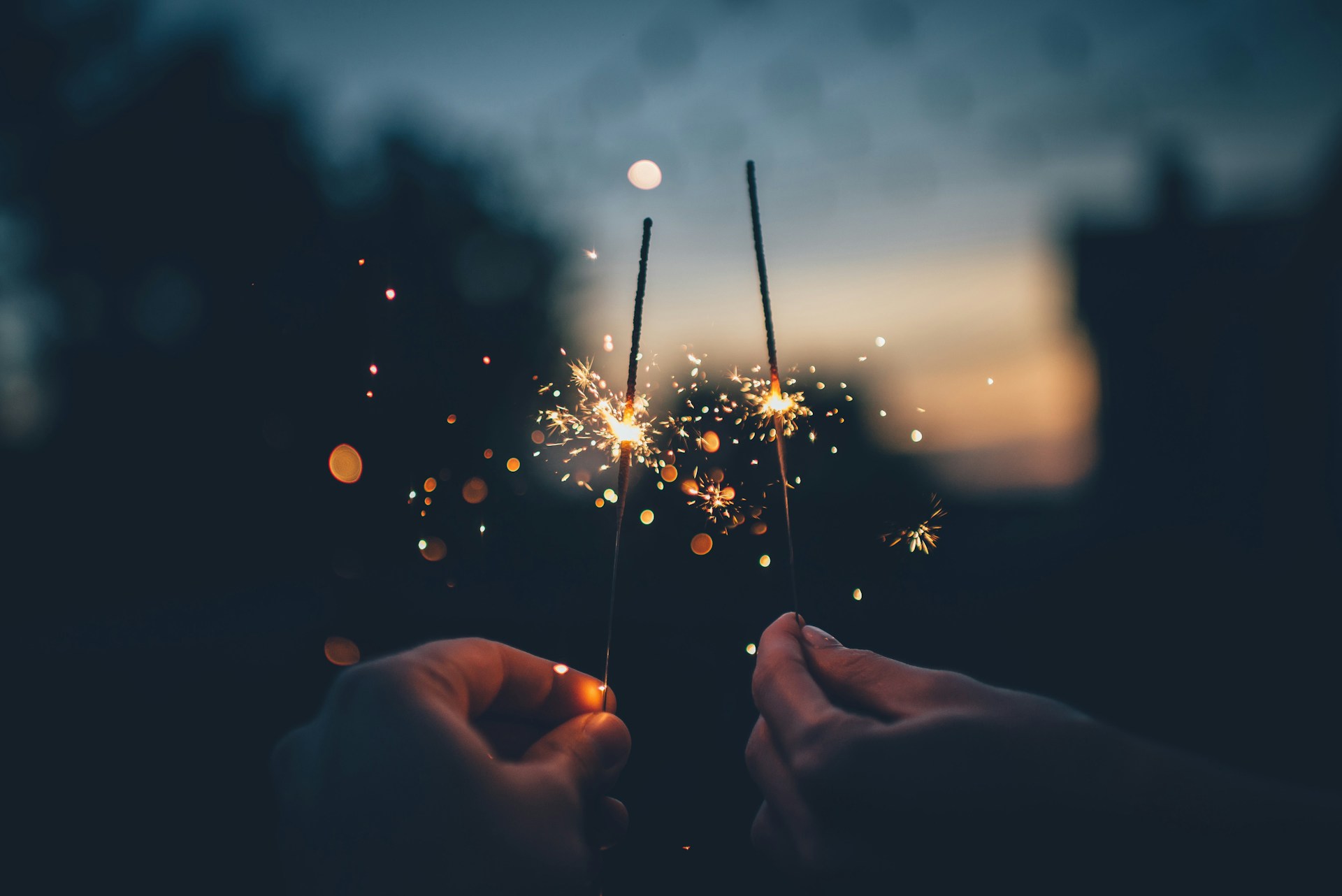
The shisha café culture of Edgware Road is inseparable from the neighbourhood's identity. These are not tourist novelties but genuine social institutions, places where friends gather for hours over apple-flavoured tobacco and endless glasses of sweet tea, where business is conducted, news is debated, and the stresses of city life are temporarily suspended. The best cafés — among them Café Layal at 56 Edgware Road and Ranoush Juice at number 43 — spill their low tables and cushioned seating onto the pavement in warmer months, creating an atmosphere that feels closer to Beirut's Hamra district than central London.
A single shisha pipe typically costs between £15 and £25 depending on the establishment and the flavour selected, with apple, grape, and mint among the most popular choices. Most cafés will also serve a full food menu alongside the shisha, so it is entirely possible — and indeed recommended — to make an entire evening of it. The etiquette is relaxed: there is no pressure to order quickly, no expectation that you will vacate your table after an hour, and no sense that lingering is anything other than entirely welcome. This is, in many ways, the most radical thing about Edgware Road: it offers genuine respite from the transactional pace of the rest of central London.
Shopping: Perfumes, Pastries, and Specialist Groceries
Beyond the restaurants and cafés, Edgware Road rewards those who slow down and browse. The perfume shops are a particular highlight. Outlets such as Arabian Oud at 96 Edgware Road stock an extraordinary range of hand-blended oud oils, attars, and bakhoor incense that you will not find in any mainstream department store. Prices range from £20 for a small bottle of blended attar to several hundred pounds for pure aged oud — the sales staff are knowledgeable and genuinely enthusiastic, and sampling is actively encouraged. Even if you leave without purchasing, the experience of navigating these fragrant interiors is memorable in itself.
The bakeries and sweet shops deserve equal attention. Patisserie Valerie has nothing on the Lebanese pastry counters here, where trays of freshly made knafeh, mamoul


