

Edgware Road London: The Complete Guide to the Arab Quarter

There are streets in London that belong to the world, and Edgware Road is one of them. Stretching northward from Marble Arch through the quiet residential avenues of Maida Vale, this storied corridor is best known for a single, vivid stretch that has earned a reputation far beyond the city's borders: the Arabic quarter, a dense, fragrant, and wonderfully alive enclave that has been the social and commercial heart of London's Arab community for more than half a century. Whether you are a first-time visitor curious about the city's multicultural layers, a food lover chasing the finest Lebanese mezze in the capital, or a night owl in search of somewhere genuinely animated after midnight, Edgware Road delivers in ways that few other London streets can match. This guide covers everything you need to know — from the neighbourhood's history and atmosphere to the practicalities of getting there, navigating the two tube stations, and making the most of your visit at any hour of the day or night.
What Is Edgware Road and Why Is It London's Arab Heart
Step off the tube at Edgware Road station and within seconds, the city shifts. The scent of oud and rose water drifts from perfume boutiques, Arabic pop music spills through café doorways, and the rhythmic clink of shisha coals being prepared on the pavement tells you immediately that this is not the London you see on postcards. This is the Edgware Road Arab area — a living, breathing enclave that feels closer to Beirut or Cairo than to Mayfair, just half a mile away.
The street itself runs northward from Marble Arch through Maida Vale, but it is the southern stretch — roughly between Marble Arch and the Edgware Road tube station on the Circle line — that forms the dense, Arabic-speaking commercial heart. This compact corridor packs in Lebanese restaurants, Egyptian grocers, Yemeni sweet shops, Arabic-language bookstores, and shisha lounges in a density that has earned it the nickname Little Arabia among long-time residents and visitors alike.
The community's roots here run deep. Arab migrants — predominantly Lebanese, Egyptian, and Yemeni — began settling in this part of Westminster during the 1960s and 1970s, drawn by affordable rents and an already-forming social network. According to the Office for National Statistics, Westminster borough — which covers this corridor — is home to over 20,000 Arabic speakers, giving it one of the highest concentrations of Arabic-speaking residents anywhere in the UK. That demographic permanence is precisely why the Arabic quarter feels so genuinely rooted rather than performatively ethnic. This is not a neighbourhood that has been curated for tourists; it is a community that has simply continued to live, trade, and gather on its own terms.
Walk the strip on any given afternoon and you will pass mobile phone shops with handwritten signs in Arabic script, Lebanese patisseries displaying trays of baklava and maamoul in their windows, and halal butchers doing brisk trade alongside international money transfer offices. The commercial mix is entirely functional — it serves the people who live here — and that authenticity is precisely what makes the street so compelling for visitors. There is no performance here, no heritage trail or curated food market. Just a community going about its daily life in a language and rhythm that happens to be different from the rest of central London.
What surprises many first-time visitors is just how late the street truly comes alive. While daytime offers a perfectly enjoyable browse through bakeries and spice merchants, the rhythm most locals follow is an unwritten one: arrive after 10pm. On Thursday and Friday evenings especially, families and groups of friends fill the pavement terraces for late-night shisha and mezze platters, a social culture that mirrors the Arab world far more authentically than any themed restaurant ever could. The atmosphere at midnight on a Friday — warm even in autumn, the air thick with apple-scented shisha smoke, conversations overlapping in Arabic, French, and English — is one of London's genuinely singular experiences.
For those who want to understand the street's cultural significance more deeply, it is worth noting that Edgware Road has long served as a gathering point during major events in the Arab world. During significant political moments across the Middle East and North Africa over the past five decades, the street's cafés have functioned as informal news rooms, with satellite television screens drawing crowds of concerned expatriates watching events unfold in real time. That sense of collective identity — of a diaspora community maintaining its emotional and cultural ties to a homeland — gives the street a weight and seriousness that goes well beyond its role as a dining destination. Visitors who take the time to sit, observe, and engage will find themselves rewarded with a perspective on London's multicultural life that no museum or guided tour can replicate.
Where to Eat on Edgware Road: The Best Lebanese and Arabic Restaurants
The culinary offer on Edgware Road is the primary draw for most visitors, and it is genuinely exceptional. The concentration of Lebanese restaurants along this short stretch is unmatched anywhere else in the United Kingdom, and the quality — driven by decades of competition and a discerning local clientele — is consistently high. Maroush, the Lebanese restaurant group that has anchored the street since 1981, remains the most famous name, with its original Maroush I location at 21 Edgware Road open until 5am every night of the week. A mixed mezze for two — hummus, moutabal, fattoush, kibbeh, and warm flatbread — costs around £35 to £45 before drinks, and the portions are generous enough to constitute a full meal. Reservations are not accepted for late-night sittings, so arrive early or be prepared to wait at the bar with a fresh mint lemonade.
A short walk north, Ranoush Juice at 43 Edgware Road is the street's most beloved casual institution — a juice bar and shawarma counter that operates until 3am and draws a loyal crowd of night-shift workers, post-theatre diners, and anyone who has discovered that a chicken shawarma wrap at 1am is one of life's more reliable pleasures. Prices are extremely reasonable, with wraps starting at around £6. For something more formal, Fairuz on Blandford Street — a five-minute walk east of the main strip — offers a quieter, candlelit dining room with an extensive menu of Lebanese home cooking. Their slow-braised lamb with rice and vermicelli is particularly outstanding, and the wine list includes several Lebanese labels from the Bekaa Valley that are difficult to find elsewhere in London. Booking ahead is strongly recommended at weekends, as the restaurant seats fewer than sixty covers.
Shisha Cafés and Late-Night Culture on Edgware Road
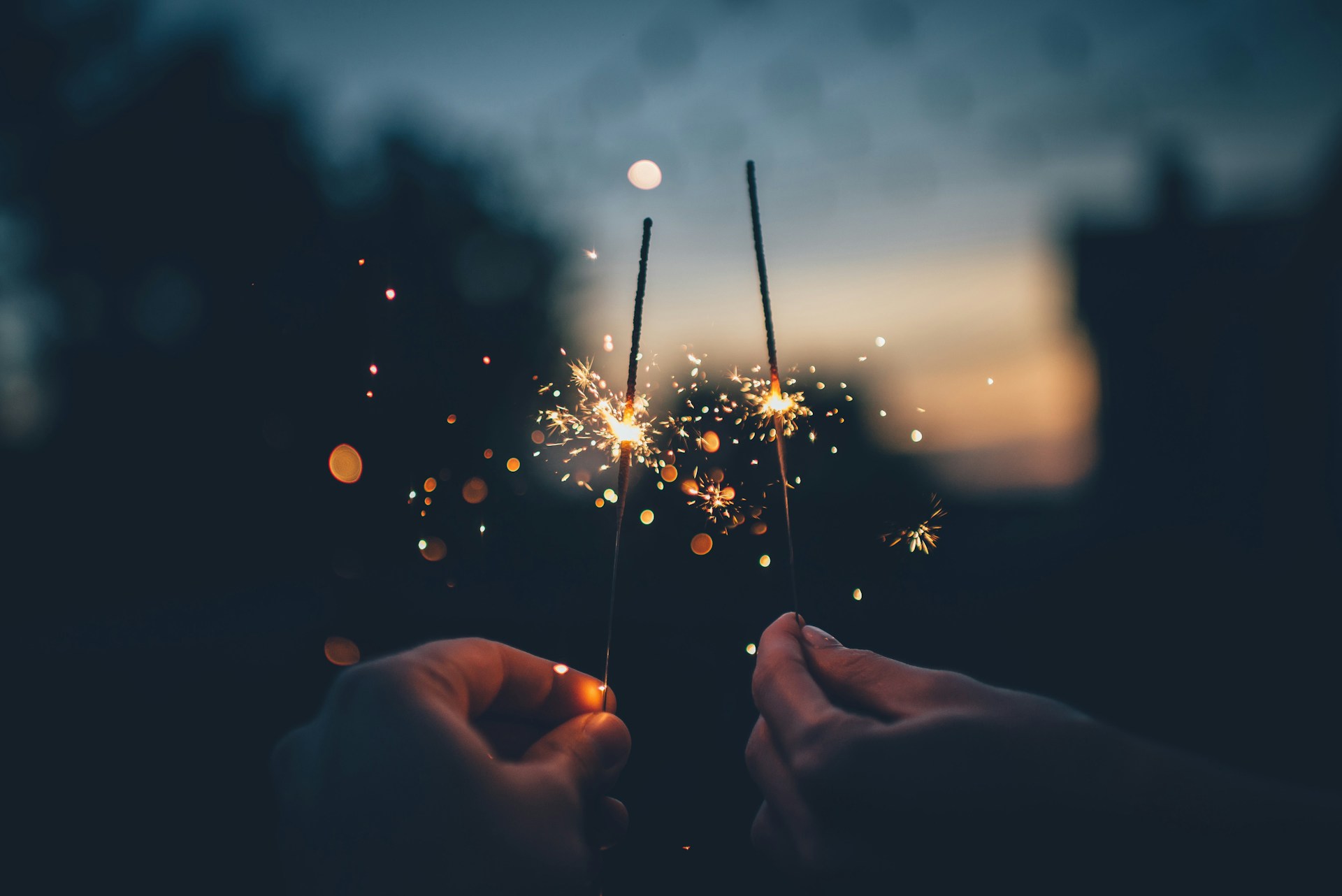
The shisha café is the social institution that defines Edgware Road after dark, and the options range from simple pavement setups to elaborately decorated lounges with cushioned seating, ornate lanterns, and menus of flavoured tobacco that run to several pages. Al Dar, located at 61–63 Edgware Road, is one of the most atmospheric, with an interior that evokes a traditional Arab coffeehouse and a terrace that remains busy until the early hours. A single shisha pipe typically costs between £15 and £25 depending on the flavour and the establishment, and most cafés will happily refill coals throughout a long evening without additional charge. The etiquette is relaxed — there is no pressure to order food, and it is entirely normal to nurse a single pot of mint tea over two hours while watching the street life unfold around you.
It is worth understanding that the shisha culture here is fundamentally social rather than transactional. Groups of friends arrive not to eat quickly and leave but to settle in for the evening, sharing pipes and conversation in a rhythm that owes nothing to the brisk turnover model of most London hospitality. As a visitor, the best approach is to embrace that pace entirely. Order a pot of tea, request a shisha, and allow the evening to unfold at its own speed. The staff at most establishments are accustomed to welcoming curious visitors alongside their regular clientele, and a few words of greeting in Arabic — a simple marhaba or shukran — will be met with genuine warmth.
