

Key Takeaways: Novikov, the Michelin Guide and What to Expect

- Michelin recognition: Novikov London is featured in the Michelin Guide as a notable Mayfair address, though it does not currently hold a full Michelin star — its inclusion reflects consistent quality, atmosphere and culinary ambition.
- Dual concept: Two distinct dining rooms — Asian and Italian — operate under one roof, each with its own kitchen and identity.
- Arab and Gulf traveller appeal: The Mayfair setting, lavish interiors and high-energy atmosphere resonate strongly with visitors from Dubai, Riyadh and Kuwait City.
- Halal status: Novikov does not hold a blanket halal certification — always confirm directly with the restaurant before booking.
- Average spend: £80–£150 per person depending on menu and drinks selection.
- Reservations: Essential — book at least two weeks ahead for Thursday to Saturday evenings via OpenTable or the official Novikov website.
- Opening times: Lunch from 12:00, dinner service from 18:00 daily.
- Dress code: Smart casual is the baseline; most guests dress considerably smarter than that.
Introduction: Why Novikov Belongs on Every Serious London Dining List
Few restaurants in London generate the kind of sustained conversation that Novikov does. Situated at 50a Berkeley Street, W1J 8HA, in the heart of Mayfair, it has occupied a unique position in the city's luxury dining landscape since it opened in 2012 — simultaneously a serious restaurant, a social institution and one of the most reliably glamorous rooms in the capital. For Arab and Gulf travellers who arrive in London expecting a certain standard of theatre alongside their food, Novikov delivers on both counts with rare consistency. This guide covers everything you need to know: its Michelin Guide standing, what to order, how to book, and how it fits into the broader world of luxury dining in London.
Insider Tip: From our experience visiting Novikov Michelin Guide London, we recommend arriving early to avoid the crowds. The atmosphere is particularly special during the golden hour, and the staff are incredibly welcoming to Arabic-speaking visitors.
What sets Novikov apart from the dozens of other high-end restaurants that crowd the Mayfair postcode is its refusal to be categorised neatly. It is neither a quiet temple of gastronomy nor a purely scene-driven venue coasting on its reputation. Instead, it occupies a rare middle ground: a place where the cooking genuinely justifies the prices, and where the atmosphere — the noise, the energy, the carefully curated crowd — forms an essential part of the experience rather than a distraction from it. Regulars from the Gulf states understand this instinctively. Dining, in that cultural tradition, is never purely about the food on the plate; it is about the occasion, the company and the room itself. Novikov gets this in a way that many of its Mayfair neighbours simply do not.
What Is Novikov London and Why Does the Michelin Guide Feature It?

Novikov Restaurant & Bar sits on Berkeley Street in the heart of Mayfair, and from the moment you step through its doors, it is clear this is not a conventional London dining room. Founded by Russian restaurateur Arkady Novikov — one of Moscow's most celebrated hospitality figures — and opened in London in 2012, the venue operates as two distinct concepts under one roof: an Asian dining room and an Italian dining room, each with its own kitchen, its own atmosphere and its own loyal following. On our last visit, the contrast between the two spaces was striking enough to feel like two separate restaurants sharing a postcode.
The Michelin Guide's recognition of Novikov sits within a broader category of notable addresses — venues that inspectors return to because the cooking is genuinely accomplished, the sourcing is serious and the overall experience meets a consistent standard. Michelin's inspectors are not swayed by celebrity clientele or interior design budgets; they eat anonymously and judge on what arrives at the table. The fact that Novikov features in their guide at all is a meaningful endorsement, even without a star attached to the name.
So what earns Novikov its place in the Michelin Guide conversation? The Asian dining room is the stronger culinary argument. The kitchen draws on Japanese and pan-Asian techniques with a confidence that goes well beyond the fusion clichés that plagued London dining in the early 2000s. Dishes are precisely executed, ingredients are sourced with care, and the menu evolves seasonally rather than resting on a fixed greatest-hits list. The Italian room, meanwhile, offers a more relaxed proposition — hand-rolled pasta, wood-fired proteins and a wine list that rewards exploration — but it is the Asian kitchen that tends to attract the more discerning food lover.
It is also worth understanding what Michelin Guide inclusion means in practical terms for a diner planning a visit. The Guide operates on a spectrum: starred restaurants represent the pinnacle of technical achievement, but the broader selection of recommended addresses — sometimes marked with the Bib Gourmand designation or simply listed as notable — represents a curated shortlist of venues that inspectors believe are worth your time and money. Novikov's presence in that conversation signals that it has passed a threshold of consistency and quality that the majority of London's restaurants never reach. For a first-time visitor to the city, that is a genuinely useful signal amid the noise of an overwhelming dining scene.
The Two Dining Rooms: Asian Versus Italian and How to Choose
Choosing between Novikov's Asian and Italian dining rooms is one of the more pleasurable dilemmas in London dining, and the right answer depends almost entirely on what kind of evening you are after. The Asian room — all dark wood, low lighting and the gentle percussion of a busy open kitchen — is the more dramatic of the two. The menu spans dim sum, sashimi, black cod preparations, wok-fried lobster and a selection of robata-grilled dishes that arrive at the table with a faint char and a depth of flavour that rewards slow eating. The black cod with miso is the dish that most regulars cite first, and with good reason: the lacquer on the fish is glossy and deeply caramelised, the flesh yielding and rich, the portion generous enough to feel like a genuine main course rather than a tasting-menu gesture.
The Italian room operates at a different register — warmer in tone, louder in conversation, with the kind of menu that invites sharing rather than studied individual plates. House-made tagliolini with truffle, burrata flown in from Puglia and a bistecca that arrives at the table on a wooden board are the signatures worth seeking out. The wine list in the Italian room leans heavily toward Barolo, Brunello and Super Tuscans, with several bottles in the £200–£400 range that represent genuine value given their provenance. If you are travelling with a larger group or celebrating a birthday, the Italian room's more convivial layout — with banquette seating and a slightly higher noise level — tends to suit the occasion better.
The Atmosphere and Clientele: Understanding Novikov's Social Currency
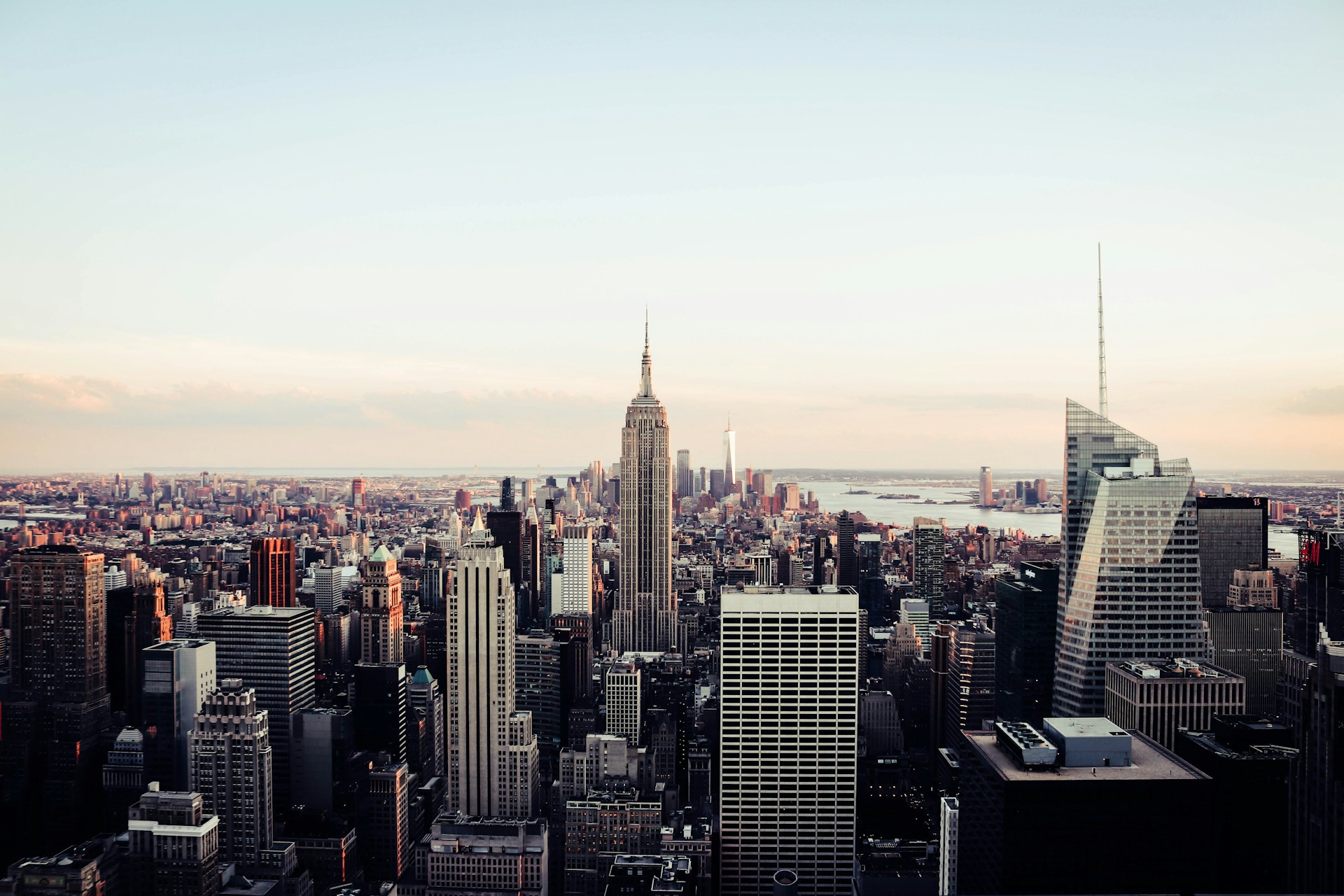
There is a particular kind of restaurant that functions as a mirror of its city at a specific moment in time, and Novikov has served that function for Mayfair since 2012. On a Thursday or Friday evening, the room fills with a cross-section of London's international elite: Gulf royalty, European financiers, fashion industry figures, and the kind of well-travelled regulars who treat Novikov the way others treat their private members' clubs — as a reliable constant in an otherwise unpredictable world. The energy peaks around 21:00, when the bar area begins to fill and the dining room reaches a volume that makes conversation feel like a shared achievement.
For Arab and Gulf visitors specifically, Novikov occupies a particular cultural niche. The restaurant's founder, Arkady Novikov, built his Moscow empire on the understanding that luxury hospitality is as much about emotional experience as it is about food quality — a philosophy that translates naturally to Gulf tastes. The generosity of the portions, the attentiveness of the service, the willingness of the kitchen to accommodate requests and the sheer visual drama of the room all align with what discerning travellers from Dubai or Riyadh expect when they dine at the upper end of the market. It is no accident that Novikov consistently appears on the shortlists that Gulf travel consultants compile for their clients visiting London.
Recommended Partners
Recommended Partners
Going to a match or show?
Secure London sports & event tickets through our trusted partner — instant confirmation.
Browse tickets on SportsEvents365 →Affiliate disclosure: some links on this page are affiliate links. We may earn a small commission, at no extra cost to you, when you book or purchase through them. We only recommend partners we trust.
Book Your Experience
Find the best hotels on Booking.com | Halal friendly stays on HalalBooking


